Understanding Sacred Geometry in Mandala Art
- Kristen Savoy
- Dec 4, 2025
- 4 min read

When I first encountered mandalas, I was drawn to their mesmerizing patterns and vibrant colors. But as I delved deeper, I realized there was something more profound beneath the surface. Sacred mandala geometry is a language of shapes and symbols that speaks to the soul. It invites us to explore harmony, balance, and the interconnectedness of all things. Today, I want to share this fascinating journey with you, revealing how these intricate designs come alive through sacred geometry.
The Beauty of Sacred Mandala Geometry
Sacred mandala geometry is not just about pretty patterns. It’s a precise arrangement of shapes that follow universal principles. Circles, triangles, squares, and other forms come together in perfect harmony. This geometry reflects the natural order of the universe, echoing patterns found in flowers, shells, and even galaxies.
When I look at a mandala, I see a dance of symmetry and rhythm. Each line and curve is intentional, guiding the eye and calming the mind. This geometry creates a sense of unity and peace, making mandalas powerful tools for meditation and reflection.
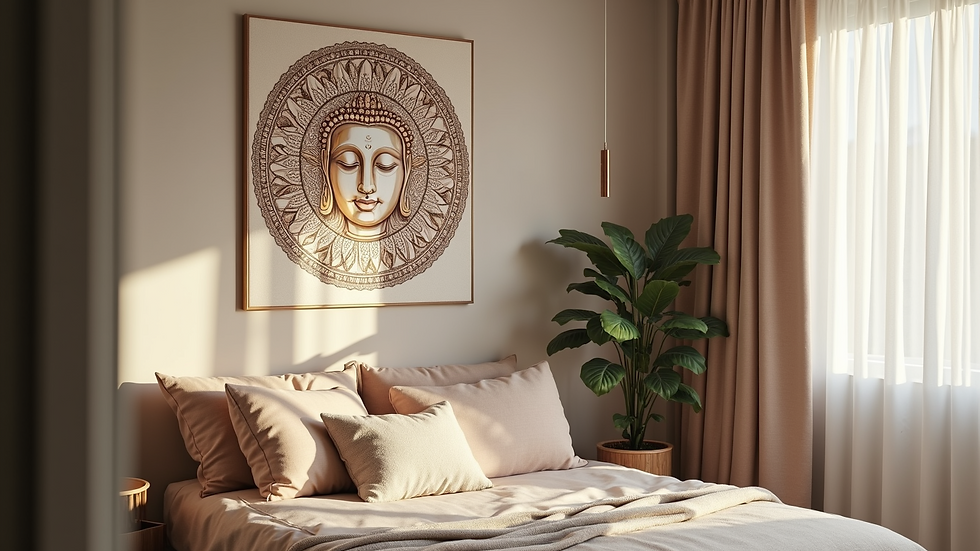
For those who collect art or design interiors, incorporating sacred mandala geometry can transform a space. It adds layers of meaning and invites a tranquil energy that resonates deeply. Whether displayed in a gallery or a cozy living room, these designs speak volumes without saying a word.

Exploring Sacred Mandala Geometry in Practice
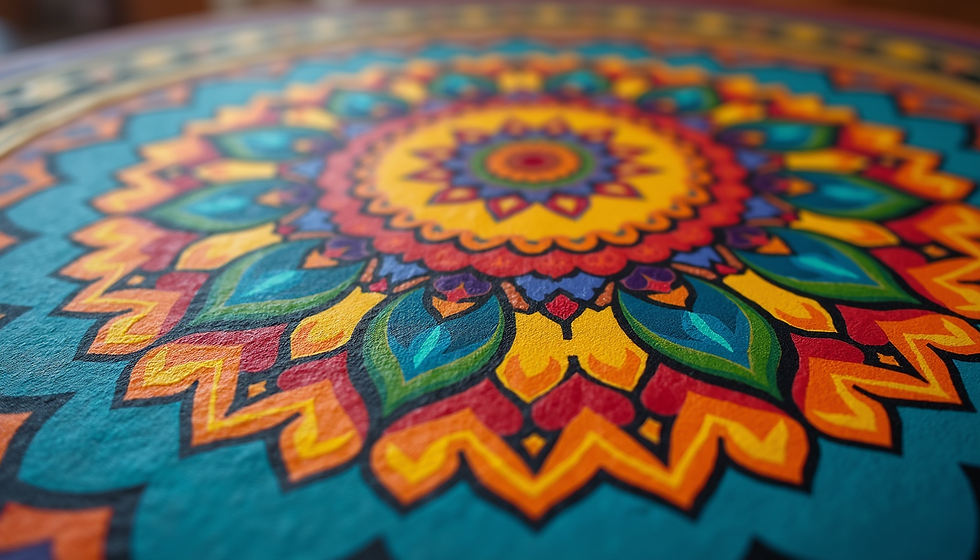
Understanding the theory is one thing, but seeing sacred mandala geometry in action is where the magic happens. Artists like Kristen, whose work is featured at Gaia Mandalas, bring these concepts to life with intuitive brushstrokes and vibrant hues. Each piece is a unique expression of sacred geometry, blending tradition with personal insight.
If you’re curious about creating your own mandalas or selecting pieces for your collection, here are some practical tips:
Start with basic shapes: Circles are the foundation. Begin by drawing concentric circles and then add triangles or squares within them.
Focus on symmetry: Use a compass or digital tools to ensure balance. Symmetry is key to the calming effect of mandalas.
Choose meaningful colors: Colors evoke emotions. Blues and greens soothe, while reds and oranges energize.
Embrace imperfection: While geometry is precise, hand-painted mandalas carry the artist’s unique touch, making each piece special.
For interior designers, placing a mandala in a focal point like a living room wall or meditation corner can enhance the atmosphere. Pair it with natural materials and soft lighting to amplify its presence.

What is the meaning of mandala in sacred geometry?
The word "mandala" comes from Sanskrit, meaning "circle." In sacred geometry, the mandala represents wholeness and the universe itself. It’s a visual map of the cosmos, symbolizing the journey from the outer world to the inner self.
Each element within a mandala holds significance:
The circle symbolizes unity and infinity.
The square represents stability and grounding.
The triangle points to transformation and spiritual ascent.
Together, these shapes create a microcosm of existence. When I meditate on a mandala, I feel connected to something greater—a reminder that life is a continuous flow of energy and balance.
This symbolism makes mandalas more than just art. They become tools for healing, self-discovery, and spiritual growth. Collectors and art lovers often find themselves drawn to these pieces because they resonate on a deeper level, beyond aesthetics.
How to Choose and Display Sacred Geometry Mandala Art
Selecting the right mandala art can be a joyful experience. Here’s how I approach it:
Identify your intention: Are you seeking calm, inspiration, or energy? Different mandalas evoke different feelings.
Consider size and space: Large mandalas make bold statements, while smaller ones offer subtle beauty.
Look for authenticity: Hand-painted works carry more soul than prints. Artists like Kristen infuse their pieces with personal energy.
Think about placement: Near a window, in a meditation room, or above a fireplace—wherever it feels right.
When displaying mandalas, lighting is crucial. Soft, natural light enhances colors and reveals details. Avoid harsh overhead lights that can flatten the design. I also recommend rotating your mandala occasionally to keep the energy fresh.
If you want to explore a stunning collection, check out sacred geometry mandala art. These pieces are crafted with care and intention, perfect for anyone who appreciates original, meaningful art.
The Timeless Appeal of Sacred Mandala Geometry
What keeps me coming back to sacred mandala geometry is its timelessness. These patterns have been part of human culture for thousands of years, appearing in temples, manuscripts, and sacred sites worldwide. They connect us to ancient wisdom and remind us of the beauty in order and chaos alike.
In today’s fast-paced world, mandalas offer a moment of pause. They invite us to slow down, breathe, and reconnect with ourselves. Whether you’re an art collector, an interior designer, or simply someone who loves meaningful art, sacred mandala geometry has something to offer.
I encourage you to explore this art form with an open heart. Let the shapes and colors speak to you. Maybe even try creating your own mandala—there’s a special kind of joy in watching geometry come alive through your hands.
Sacred mandala geometry is more than decoration. It’s a bridge between the visible and invisible, the known and the mysterious. Embracing it can transform your space and your spirit in ways you never imagined.


Comments